Arabic
  English
 The Evolution of Steel Structural Components in Engineering
Steel structural components are a fundamental part of engineering and construction, shaping the world’s infrastructure and enabling the development of safer, stronger, and more efficient projects. From bridges and high-rise buildings to tunnels, industrial facilities, and heavy machinery, steel has been central to engineering progress for more than a century. As construction needs continue to evolve, so do the steel components that support modern structures. Jiangyin Changyu Machinery Co., Ltd., with its expertise in producing high-quality steel structural components, plays an important role in the ongoing evolution of this field. The early use of steel in engineering was driven by its exceptional strength-to-weight ratio. Compared to traditional materials like wood and stone, steel provided engineers with a new level of design flexibility. The Industrial Revolution accelerated steel production, making it more affordable and accessible. This shift resulted in landmark achievements such as the construction of railways, suspension bridges, and early skyscrapers. Steel’s high tensile strength and durability made it possible to build structures taller, longer, and stronger than ever before.
Over time, the demands placed on infrastructure grew more complex. Urbanization, industrial expansion, and the need for safer construction methods led to the evolution of steel components into more specialized and high-performance forms. Modern structural steel is no longer limited to simple beams and columns—engineers now rely on advanced components such as high-strength steel plates, precision-machined parts, reinforced steel joints, and corrosion-resistant alloys. These advancements allow for improved load-bearing capacity, greater resistance to environmental stress, and enhanced long-term structural reliability. In recent decades, the evolution of steel components has increasingly aligned with technology-driven manufacturing. Companies like Jiangyin Changyu Machinery have been central to this transformation. With advanced machining centers, automatic welding robots, and strict adherence to international quality standards, Changyu produces steel structural components with exceptional precision and consistency. These components are used across industries that demand superior mechanical performance, including civil engineering, mining, tunneling, and heavy construction.
One of the most significant developments in steel engineering is the rise of customized and project-specific components. Traditional steel parts were often standardized, but modern engineering requires solutions tailored to unique project demands. Changyu’s ability to design and manufacture customized steel components enables contractors to solve complex structural challenges, optimize load distribution, and improve assembly efficiency. Customized parts not only enhance performance but also reduce waste by ensuring that each component is produced with exact dimensional accuracy. Safety has also played a major role in shaping the evolution of steel structural components. As construction projects grow in scale and complexity, ensuring structural integrity becomes increasingly critical. Engineers now use finite element analysis (FEA), computer-aided design (CAD), and advanced stress-testing methods to develop steel components that meet stringent safety requirements. Changyu integrates these advanced design tools into its engineering processes, ensuring that every steel component is tested for strength, durability, and performance under real-world conditions.
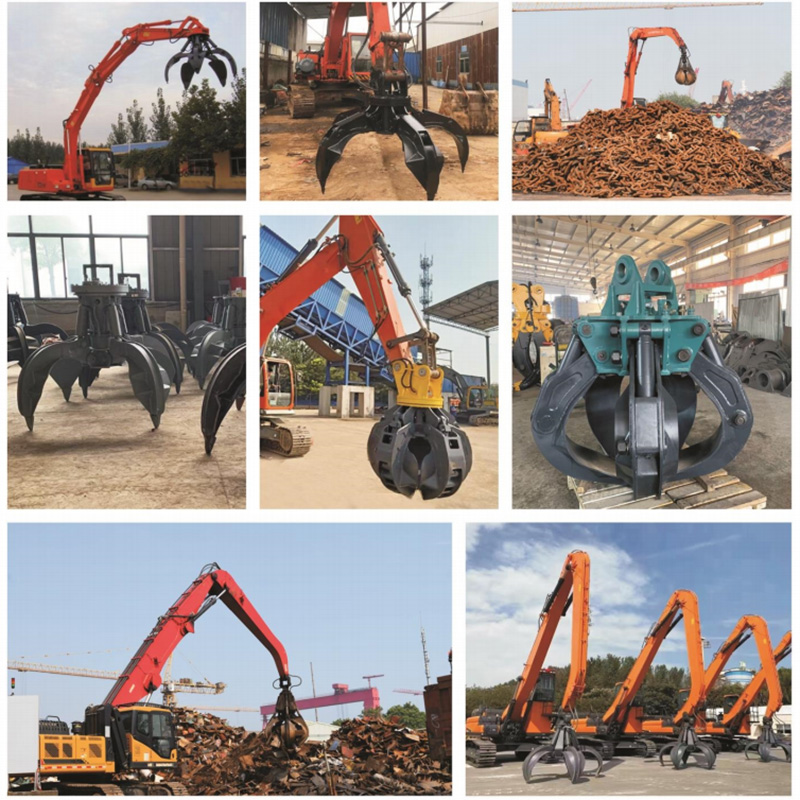
Environmental considerations have further influenced the evolution of steel components. Modern engineering emphasizes sustainable development, energy efficiency, and reduced material waste. Steel has become a preferred material in sustainable construction due to its recyclability and long service life. Today’s steel components are designed not only for immediate functionality but also for long-term environmental impact. Changyu contributes to this by using high-quality materials, environmentally responsible production processes, and long-lasting components that minimize the need for replacement. In addition, advancements in welding, heat treatment, and surface finishing have significantly improved the longevity and resistance of steel components. Modern protective coatings prevent corrosion in harsh environments such as coastal regions, underground tunnels, and industrial facilities. Changyu’s production processes utilize advanced welding robots and precision machining to ensure that each component maintains structural integrity even when subjected to extreme conditions. This durability is essential in applications such as mining equipment, mobile crushing stations, and engineered steel frameworks.
Another defining moment in the evolution of steel structural components is their role in supporting automation and intelligent manufacturing. As the engineering industry becomes increasingly digitized, machinery and infrastructure require more precise, high-performance steel components. From automated mining systems to advanced construction equipment, modern machines depend on components that can withstand heavy loads, continuous operation, and repetitive mechanical stress. Changyu’s experience in producing steel parts for engineering machinery aligns perfectly with these requirements, helping customers achieve higher productivity and reliability. The evolution of steel components has also expanded their application into areas such as seismic-resistant construction, modular building systems, and prefabricated structures. These new techniques rely heavily on accurately manufactured steel elements that can be quickly assembled while maintaining exceptional structural integrity. Changyu’s expertise in precision machining and its ability to produce large, complex steel parts make it an ideal partner for companies shifting toward modern, modular, and flexible construction methods.
As technology continues to advance, the future of steel structural components promises even greater innovation. From high-performance alloys to ultra-lightweight designs and AI-assisted manufacturing, the next generation of steel engineering will prioritize efficiency, safety, sustainability, and adaptability. Changyu Machinery’s commitment to research, development, and continuous improvement ensures that it will remain at the forefront of this evolution, supplying the engineering world with components that support the infrastructure of tomorrow. Steel structural components have come a long way—from simple industrial materials to advanced engineering solutions that power modern civilization. Through expertise, innovation, and precision manufacturing, companies like Jiangyin Changyu Machinery are helping shape the next chapter of infrastructure development. As the demands of engineering continue to evolve, steel will remain the backbone of progress, and Changyu will continue to strengthen the structures that define our future.